
Your Cart
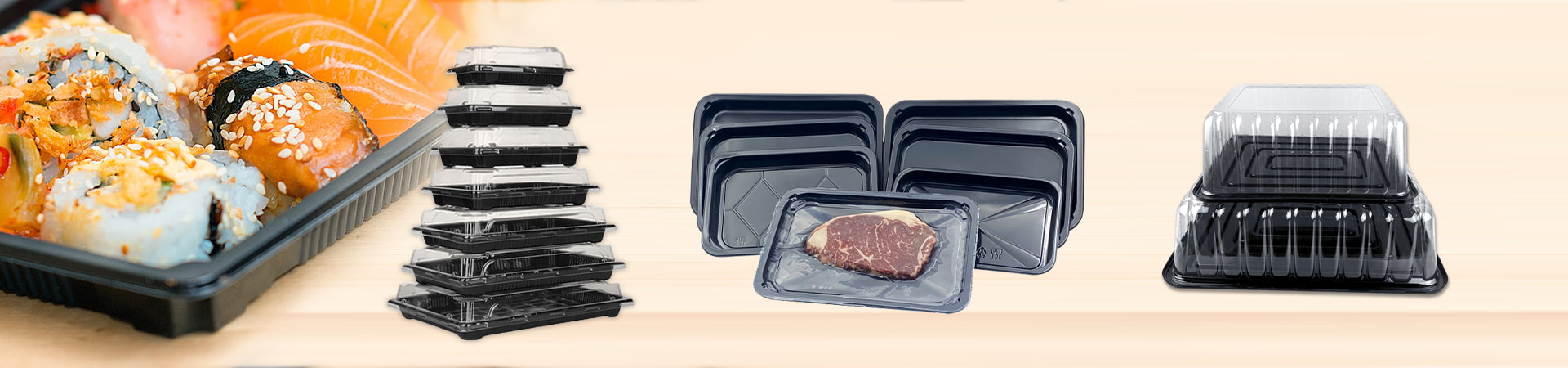
What Information Should You Prepare Before Ordering Custom Plastic Packaging?
Many custom plastic packaging projects experience delays — not because of manufacturing problems, but because suppliers do not receive enough product information during the quotation stage. Incomplete specifications lead to back-and-forth emails, inaccurate pricing, extended development timelines, and sometimes packaging that does not fit the product correctly on the first attempt.
Preparing the right information before contacting a custom plastic packaging manufacturer helps shorten the development cycle, improve quotation accuracy, and reduce unnecessary revisions. Whether you are a food brand developing new packaging for sushi containers, a medical device company needing precision-fit trays, or a distributor sourcing packaging for multiple product lines, this guide explains exactly what you should have ready before your first conversation with a supplier.
Why Preparation Matters Before Requesting a Quote
New buyers often assume that sending a product photo and asking "how much?" is enough to get an accurate quotation. In reality, custom thermoformed packaging involves multiple variables — material type, thickness, cavity design, mold development, and production volume — all of which directly affect cost and lead time. Without clear specifications, a manufacturer can only provide a rough estimate that may change significantly once details are clarified.
Investing time upfront to organize your packaging requirements delivers several concrete benefits:
- Faster Quotation: Complete specifications allow manufacturers to calculate material usage, mold costs, and production pricing in one review cycle rather than across multiple rounds of clarification.
- Better Packaging Accuracy: Detailed product dimensions help suppliers design trays with the right cavity depth, wall angles, and fit tolerances from the start.
- Shorter Development Cycle: When mold development begins with complete information, prototype iterations decrease and the timeline to mass production is compressed.
- Lower Total Cost: Avoiding redesigns and sample revisions reduces engineering time and helps you launch on schedule without unexpected expenses.
Product Dimensions
The most fundamental information any custom plastic packaging supplier needs is your product's physical dimensions. This data determines every aspect of the packaging design, from tray size and cavity shape to material thickness and stacking configuration.
When preparing dimensional information, include the following measurements:
- Length, Width, and Height: Provide the external dimensions of your product in millimeters. For products with irregular shapes, include the maximum dimensions at the widest and tallest points.
- Product Weight: Heavier products may require thicker material gauges or reinforced tray structures to prevent warping during transport.
- Tolerance Requirements: If your product has tight dimensional tolerances — common with medical devices and precision components — communicate this early so the mold can be designed with appropriate clearances.
- Orientation: Specify how the product should sit in the tray. Does it lay flat, stand vertically, or require a specific angle for presentation or assembly?
For custom food packaging applications like sushi containers or cake trays, product dimensions also influence compartment layout and lid clearance. The manufacturer can suggest the optimal tray depth once they understand your product's footprint.
Product Drawings or Samples
While dimensions provide the basic framework for plastic packaging design, physical drawings or samples give manufacturers a complete understanding of your product's geometry. The more visual information you provide, the faster a supplier can develop an accurate mold design.
Ideally, you should prepare one or more of the following:
- CAD Drawings (2D or 3D): These provide precise geometry data that mold designers can directly import into their software. STEP, IGES, or DWG formats are widely accepted.
- Physical Product Samples: Sending an actual product to the manufacturer allows them to take precise measurements and test fit inside prototype trays. This is the most reliable method for complex shapes.
- Photographs with Reference Scales: If CAD files and physical samples are not available, clear photographs taken from multiple angles with a ruler or scale reference can provide a starting point for initial discussions.
If you have no drawings or samples at all, a professional manufacturer can still help. Many suppliers — including Jiasheng — offer packaging design support to create tray concepts based on your product description and basic measurements. However, expect the development timeline to be longer when starting from scratch.
Packaging Application
This is one of the most frequently overlooked pieces of information — and one of the most important. Telling your custom plastic packaging manufacturer what your product is used for helps them recommend the right structure, material, and design features.
Different applications place very different demands on packaging:
- Food Packaging: Sushi, bakery items, fresh produce, and ready-to-eat meals each require specific tray designs. Sushi containers need transparent lids for product visibility, while fresh produce packaging may require ventilation holes and moisture management. Food-grade materials and compliance with food safety regulations are mandatory.
- Medical Packaging: Medical devices, diagnostic components, and laboratory consumables demand precision-fit cavities, cleanroom-compatible materials, and documentation that supports regulatory compliance. For custom medical packaging applications, dimensional consistency and contamination control are critical considerations that affect mold design and production environment requirements.
- Retail Display Packaging: Products displayed on retail shelves often need packaging that balances protection with visual appeal. Transparent materials, attractive tray shapes, and compatibility with hanging displays or shelf-ready formats may be important.
- Industrial or Logistics Packaging: Components used in manufacturing or assembly may prioritize stacking efficiency, durability, and easy access over visual appearance.
Clearly communicating your application context enables the supplier to make informed material and structural recommendations that align with your end-use requirements.
Material Requirements
The material you choose affects everything from packaging performance and product protection to cost and regulatory compliance. If you already have specific material requirements, communicate them early. If you are unsure, a knowledgeable custom plastic packaging supplier can recommend the best option based on your application.
The three most common materials for thermoformed plastic packaging are:
- PET (Polyethylene Terephthalate): Excellent transparency and rigidity, making it ideal for food packaging where product visibility matters — such as sushi containers, salad bowls, and bakery packaging. PET is widely recycled and approved for direct food contact.
- PP (Polypropylene): Higher heat resistance and good durability. Suitable for microwaveable food trays and applications requiring repeated handling. PP offers a good balance of performance and cost for larger production volumes.
- PETG (Glycol-Modified PET): Offers improved impact resistance compared to standard PET, making it suitable for medical packaging applications where trays must withstand sterilization processes or protect delicate components during shipping.
If your product must comply with specific regulations — such as FDA food contact standards, EU food contact regulations, or ISO 13485 for medical devices — inform your supplier so they can recommend compliant materials and provide the necessary documentation.
Estimated Order Quantity
Order quantity is one of the most significant factors in any plastic packaging quotation. Manufacturers use your expected volume to determine production planning, material procurement, and pricing structure. Providing a realistic quantity estimate — even if not final — helps the supplier prepare an accurate proposal.
When discussing quantities with your supplier, be prepared to clarify:
- Sample Quantity: How many sample trays do you need for testing and approval before production begins? Most manufacturers provide a small batch of prototype samples as part of the development process.
- Trial Order Quantity: Many buyers start with a smaller trial order to validate packaging performance in real-world conditions before committing to full-scale production. This is a standard practice that most suppliers accommodate.
- Mass Production Quantity: Your expected annual or per-order volume. Larger quantities typically reduce the per-unit cost and may influence decisions about mold design — for example, whether a multi-cavity mold is justified to increase production speed.
If your quantity is uncertain, give a range (e.g., 10,000–20,000 units per order). This allows the manufacturer to provide pricing for different volume tiers, giving you flexibility as your demand grows.
Branding and Customization Requirements
Beyond the basic tray structure, many custom packaging solutions incorporate branding elements and value-added features. Communicating these requirements early helps the manufacturer design the packaging with all specifications in mind, rather than retrofitting branding features into an already-finalized tray design.
Common branding and customization elements to consider include:
- Logo Embossing or Debossing: Adding your brand logo directly into the plastic tray through the thermoforming mold. This creates a premium, permanent branding effect without additional labels or printing.
- Labels and Stickers: Some manufacturers can coordinate label printing and application as part of the packaging service, simplifying your supply chain.
- Inserts and Dividers: Paper or plastic inserts that separate products within a tray or add structural reinforcement. These can be printed with branding or usage instructions.
- Custom Colors: While most food and medical packaging uses clear or natural materials, specific colors may be available for certain applications. Discuss color requirements during the design phase.
- Special Structures: Features like tamper-evident seals, tear-away sections, hinged lids, or multi-compartment designs that serve specific functional or marketing purposes.
The earlier you communicate branding needs, the easier it is for the manufacturer to integrate them into the overall packaging design without adding unexpected costs or extending the timeline.
Delivery Requirements
Production is only half the equation — getting your packaging delivered on time and in good condition is equally important. Providing delivery information upfront helps the manufacturer factor shipping logistics into the overall project timeline and cost estimate.
Key delivery details to communicate include:
- Destination Country and Port: The destination determines shipping routes, transit time, and applicable import duties or documentation requirements. If you have a preferred freight forwarder, share their contact information.
- Preferred Shipping Method: Sea freight, air freight, or express courier — each method has different cost and speed trade-offs. Sea freight is the most economical for large volumes, while air freight suits urgent or smaller orders.
- Target Delivery Date: If you have a product launch, trade show, or seasonal deadline, share it early. This allows the manufacturer to work backward from your delivery deadline and plan production accordingly.
- Packaging for Export: For international shipments, packaging trays must be packed in export-grade cartons or crates designed to withstand long-distance handling. Professional suppliers use standardized export packaging to minimize damage risk.
A supplier with export experience can help you navigate Incoterms (such as FOB, CIF, or DDP) and recommend the most cost-effective shipping solution based on your order size and destination.
Questions to Ask Your Packaging Manufacturer
Once you have prepared your project information, having a structured set of questions ensures you evaluate potential custom plastic packaging suppliers thoroughly and consistently. The right questions reveal a manufacturer's capabilities, experience, and service approach.
Key questions to ask during initial discussions:
- Can you assist with packaging design? A manufacturer with in-house design capability can help optimize your tray structure, recommend materials, and reduce development time compared to working with separate design and production companies.
- Do you develop molds in-house? In-house mold development typically means faster turnaround, better quality control, and lower mold costs than outsourcing to third-party mold makers.
- What materials do you recommend for my application? A knowledgeable supplier will explain material options based on your specific product type, usage environment, and regulatory requirements — not just offer a generic recommendation.
- What is the estimated lead time? Understand the full timeline, including mold development, sample production, sample shipping and approval, and mass production. Clarify whether the stated lead time is calendar days or working days.
- Can you provide samples before mass production? Approval samples are a standard part of the custom packaging process. Confirm the sample policy — how many samples, how long they take, and whether sample costs are credited against the production order.
- What quality control processes do you follow? Look for manufacturers with documented inspection procedures covering incoming material checks, in-process monitoring, and final inspection before shipment.
Frequently Asked Questions
Do I need technical drawings before requesting a quote?
Technical drawings are helpful but not always required for an initial quotation. If you can provide basic product dimensions, photographs, and a description of your packaging application, a manufacturer can give you a preliminary price estimate. However, formal mold development cannot begin without precise dimensional data — either from CAD files, physical samples, or detailed measurement sheets.
Can a manufacturer help improve my packaging design?
Yes. Experienced custom plastic packaging manufacturers often provide design suggestions based on their production knowledge. They may recommend structural changes that improve product fit, reduce material usage, enhance stacking efficiency, or lower mold costs. This collaborative design approach is one of the key benefits of working with a professional supplier rather than ordering generic packaging.
How long does custom packaging development take?
The full development cycle typically ranges from 3 to 6 weeks, depending on design complexity and mold requirements. This timeline includes design confirmation, mold fabrication, sample production, and sample shipping for your approval. Simpler tray designs with existing mold libraries may be faster, while complex multi-cavity molds or projects requiring multiple design iterations may take longer.
What affects the quotation for custom plastic packaging?
Several factors influence the final plastic packaging quotation: mold complexity and cavity count, material type and thickness, tray size and design intricacy, order quantity, and any additional services such as labeling, assembly, or special export packaging. Providing complete information on all these factors helps the supplier give you an accurate and transparent quotation from the start.
Start Your Custom Packaging Project with Confidence
Preparing complete product information before contacting a custom plastic packaging supplier does more than speed up the quotation process — it sets the foundation for a successful packaging project. When a manufacturer understands your product dimensions, application context, material preferences, quantity expectations, and delivery requirements from the first conversation, they can focus on what they do best: designing and producing packaging that fits your product perfectly and performs reliably throughout your supply chain.
The most successful packaging partnerships are built on clear communication and thorough preparation. By organizing the information outlined in this guide before you reach out to suppliers, you position yourself — and your packaging partner — for an efficient development process with fewer revisions, predictable timelines, and packaging that meets your quality and budget requirements.
Jiasheng provides end-to-end custom plastic packaging solutions, supporting customers through every stage — from packaging design and in-house mold development to thermoforming production, quality inspection, and export logistics. Whether you need packaging for food products, medical devices, or industrial applications, our team is ready to help you bring your packaging project from concept to delivery.
Contact Jiasheng to Start Your Custom Plastic Packaging Project
Ready to begin? Send us your product details and we will provide a customized packaging proposal with design recommendations, material options, and a transparent quotation.
Get Your Custom Packaging Quote