
Your Cart
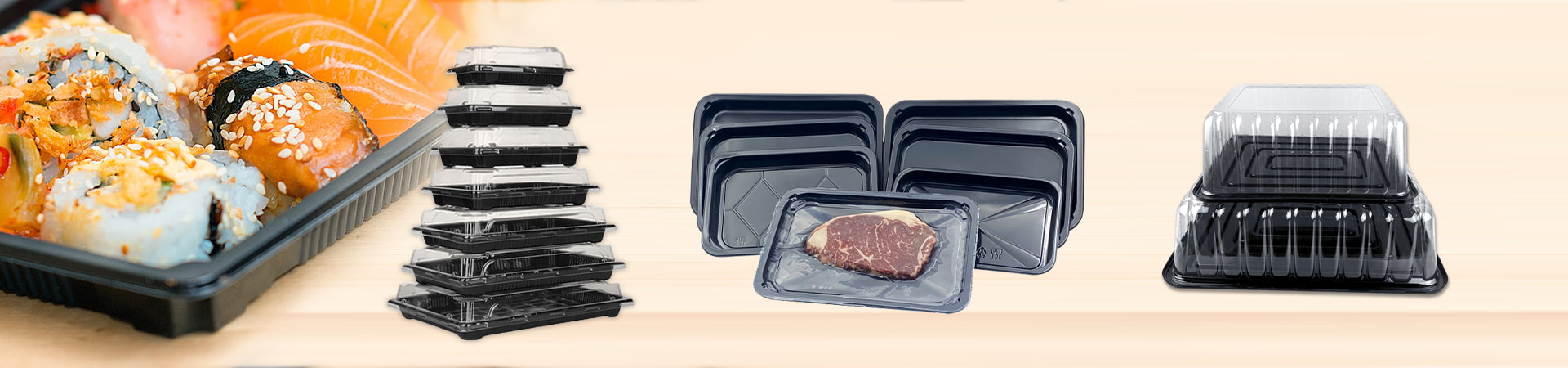
Thermoforming Plastic Packaging: Process, Materials, and Customization Options
When businesses need customized plastic packaging for food products or medical devices, understanding the thermoforming plastic packaging process helps them identify the right manufacturing partner. From food containers to medical trays, thermoformed plastic solutions provide the flexibility, cost efficiency, and customized designs that modern supply chains demand.
Procurement managers and product companies are increasingly looking beyond simple product catalogs — they want to understand how packaging is made, what materials are available, and whether a supplier can deliver consistent quality at scale. This article walks through the complete plastic thermoforming process, explains key material options, and outlines what customization capabilities a professional manufacturer should offer.
What Is Thermoforming Plastic Packaging?
Thermoforming plastic packaging is a manufacturing process in which plastic sheets are heated to a pliable forming temperature, shaped to a specific mold, and trimmed to create finished packaging products. Unlike injection molding — which uses melted plastic pellets — thermoforming starts with extruded plastic sheets, making it particularly efficient for producing medium-to-large packaging components with relatively short lead times.
This process is widely used across food and medical industries. Common applications include:
- Food packaging: sushi containers, cake containers, food trays, salad containers, and fruit packaging
- Medical packaging: medical blister trays, device packaging, and sterile barrier packaging
- Retail packaging: clamshell packs, blister cards, and display trays
How Does the Plastic Thermoforming Process Work?
The plastic thermoforming process involves several distinct stages, each critical to the quality and consistency of the final product. Understanding these steps gives procurement teams a clearer picture of what happens between placing an order and receiving finished packaging.
1. Packaging Design and Product Analysis
Before any production begins, a capable manufacturer analyzes product dimensions, packaging requirements, and usage conditions. This stage involves CAD design, structural optimization, and material recommendations based on the specific application — whether the packaging needs to withstand cold chain logistics, microwave reheating, or sterilization processes. Getting the design right at this stage prevents costly adjustments later in production.
2. Mold Development
The mold determines shape accuracy, fitting precision, and production efficiency. Professional manufacturers invest in in-house mold development to offer custom thermoformed plastic packaging solutions. After the initial mold is produced, prototype testing validates that the formed packaging meets all dimensional and functional requirements before mass production begins.
3. Plastic Sheet Heating
Plastic sheets — selected based on material type, thickness, and end-use requirements — are heated in a controlled oven until they reach the optimal forming temperature. Temperature control is crucial: too low and the sheet will not form properly; too high and the material may degrade or discolor. Different materials require different heating profiles, which is why experienced operators are essential to maintaining consistent output.
4. Forming Process
Once heated, the plastic sheet is transferred to the forming station. Depending on the packaging design and material, one of two primary methods is used:
- Vacuum forming: A vacuum draws the heated sheet tightly against the mold surface — the most common method for food packaging and general-purpose trays.
- Pressure forming: Compressed air pushes the sheet against the mold, achieving sharper detail and more consistent wall thickness — ideal for medical packaging and high-precision applications.
5. Trimming and Quality Inspection
After forming, excess material is trimmed away, and each batch undergoes quality inspection — including edge trimming consistency, dimensional accuracy verification, and visual appearance checks. A professional thermoformed packaging manufacturer conducts these inspections at multiple points in the production line to maintain consistent quality across bulk production runs.
Common Materials Used in Thermoformed Plastic Packaging
Material selection is one of the most important decisions in any thermoforming project. The right material balances appearance, functionality, cost, and regulatory compliance. Below are the most commonly used plastics in food and medical thermoforming.
PET (Polyethylene Terephthalate)
PET is the workhorse of food thermoformed packaging. It offers excellent transparency, good rigidity, and attractive product display qualities. Consumers can clearly see the food inside, which is a significant advantage for retail environments where visual appeal drives purchasing decisions. PET is widely used for sushi containers, salad containers, bakery packaging, and fresh fruit packaging — all areas where product visibility is a competitive advantage.
PP (Polypropylene)
PP provides higher heat resistance than PET and excellent durability, making it suitable for applications that involve microwave reheating or hot-fill processes. It is commonly used for food trays, takeaway packaging, and meal-prep containers that need to withstand temperature variations without warping or leaching. PP also offers good chemical resistance, an important consideration for certain food products with acidic content.
PETG and Other Specialty Materials
For medical applications and specialized uses, materials like PETG (glycol-modified PET) offer enhanced clarity and impact resistance. Medical packaging often requires specific material certifications and sterilization compatibility. The choice of material depends on product requirements, industry standards, and the application environment — factors that a knowledgeable plastic packaging manufacturer should help evaluate during the design consultation phase.
Customization Options for Thermoformed Plastic Packaging
For B2B buyers, customization is often the deciding factor when choosing a custom thermoformed plastic packaging supplier. Off-the-shelf packaging rarely meets all product requirements, and the ability to tailor every aspect of the package directly impacts product protection, brand presentation, and logistics efficiency.
Custom Size and Shape
Every product has unique dimensions. Custom thermoforming allows manufacturers to design packaging that fits products precisely — whether it is a sushi tray with individual compartments, a cake holder with a secure dome lid, or a medical tray with recessed cavities for specific devices. Custom sizing eliminates wasted space, reduces material usage, and ensures products are held securely during transport.
Custom Mold Development
Custom molds enable precise product fitting, better protection during shipping, and a more professional appearance on retail shelves. Working with a supplier that offers in-house mold development — rather than outsourcing it — typically results in faster turnaround times and better quality control, since design and production teams collaborate directly throughout the development process.
Packaging Structure Optimization
Beyond basic shape, professional manufacturers optimize packaging structure for real-world logistics. This includes stacking design for efficient pallet loading, denesting features for automated filling lines, and material thickness optimization to reduce weight without sacrificing strength. These structural improvements often yield significant cost savings over the life of a product line.
Applications of Thermoformed Plastic Packaging
Thermoformed packaging serves diverse industries, but food and medical applications are the two largest segments. Each has distinct requirements that influence material choice, design specifications, and quality standards.
Food Packaging Applications
Sushi Packaging: Thermoformed sushi containers combine transparent display with product protection. Clear PET lids showcase the sushi's color and arrangement while the tray base provides secure compartmentalization. For restaurants and retailers, thermoformed food packaging for sushi is essential for maintaining freshness and presentation during takeaway and delivery.
Bakery Packaging: Cake containers, macaron tray inserts, and pastry boxes all benefit from thermoforming's ability to create precise, attractive shapes. Clear domed lids protect delicate baked goods while allowing customers to view the product — crucial for impulse purchases in retail bakery displays.
Fresh Food Packaging: Salad containers, fruit packaging, and vegetable trays rely on thermoformed PET for visibility and food-safe properties. Ventilated designs can be incorporated for produce that requires airflow, while sealed containers extend shelf life for prepared foods.
Medical Packaging Applications
Medical thermoformed packaging demands precise forming, reliable protection, and consistent quality that meets regulatory standards. Custom medical packaging solutions must accommodate sterilization processes, maintain sterility barriers, and provide tamper-evident features. From surgical instrument trays to diagnostic device packaging, medical thermoforming requires cleanroom-compatible production environments and rigorous quality documentation.
Benefits of Working with a Professional Thermoformed Packaging Manufacturer
Choosing the right thermoformed packaging manufacturer has a direct impact on product quality, time-to-market, and total cost. Here is what a professional supplier brings beyond basic production capability.
Design Support
Professional manufacturers provide technical recommendations during the design phase — not just executing a drawing but advising on material suitability, structural improvements, and production feasibility. This early-stage collaboration often identifies cost-saving opportunities and prevents design flaws that would only surface during production. A supplier that offers custom thermoformed plastic packaging solutions should be able to explain why certain design choices work better than others for a given application.
Stable Manufacturing Quality
Consistent quality across production batches is non-negotiable. A professional manufacturer implements quality control at multiple stages: incoming material inspection, in-process monitoring, and final inspection before shipment. This multi-layer approach catches deviations early, reducing waste and ensuring that every shipment meets the same specifications as the approved sample. For food and medical buyers, quality documentation and traceability are equally important as the physical product.
One-Stop Export Service
International buyers benefit significantly from a manufacturer that handles the entire process — from design and mold development through production, packaging, and export logistics. A one-stop supplier eliminates handoffs between multiple vendors, reduces communication overhead, and takes full responsibility for the finished product arriving at its destination. This integrated approach is especially valuable for importers and distributors managing complex supply chains across multiple product categories.
How to Choose the Right Thermoformed Plastic Packaging Supplier?
Evaluating suppliers goes beyond comparing unit prices. Here are three critical areas to assess when selecting a custom plastic packaging solutions partner.
Manufacturing Experience
Look for demonstrated experience in your specific industry — food packaging has different requirements than medical packaging. Ask about past projects, product categories the manufacturer regularly produces, and how they handle material-specific challenges. A supplier with deep industry experience can anticipate issues before they arise and suggest proven solutions rather than treating every project as a learning exercise.
Customization Capability
Confirm whether the manufacturer has in-house mold development and design support — or whether these services are outsourced. In-house capability means faster turnaround, better communication, and more accountability. Ask about their design review process and how they handle prototype iterations before committing to full production tooling.
Production and Delivery Capability
Assess production capacity, quality control systems, and export experience. Can the manufacturer handle your order volumes with consistent lead times? Do they have the certifications required for your target markets? A reliable plastic packaging manufacturer should be transparent about their production capabilities and able to provide references or case studies that demonstrate successful export projects.
Frequently Asked Questions
Q: What products can be made with thermoforming plastic packaging?
Thermoforming can produce a wide range of packaging products, including food containers, trays, clamshell packs, medical device packaging, blister cards, and customized plastic packaging for specialized applications. The process accommodates simple trays as well as complex multi-compartment designs with precise cavity dimensions.
Q: What materials are commonly used for thermoformed packaging?
The most common materials are PET (excellent clarity, ideal for food display), PP (higher heat resistance, suitable for microwave applications), and PETG (enhanced impact resistance for medical and specialty uses). Material selection depends on product requirements, industry regulations, and the intended application environment.
Q: Can thermoformed packaging be fully customized?
Yes. Custom thermoformed packaging can be tailored in size, shape, material thickness, compartment layout, and structural features. Professional manufacturers work from your product specifications to develop custom molds and optimize the packaging design for both protection and presentation.
Q: How long does custom thermoformed packaging production take?
Production timelines depend on mold development duration, order quantity, and design complexity. Simple projects with existing molds can proceed quickly, while fully custom projects with new mold development typically require several weeks. A professional manufacturer provides clear timeline estimates during the quotation phase.
Conclusion
Thermoforming plastic packaging provides flexible, cost-effective, and customizable solutions for food and medical industries. The ability to design packaging around specific product requirements — rather than forcing products into standard-sized containers — is a significant advantage that directly impacts product protection, brand presentation, and logistics efficiency.
When selecting a thermoformed packaging manufacturer, prioritize design capability, material expertise, manufacturing process control, and quality assurance systems. These four pillars determine whether a supplier can deliver consistent results at the scale your business requires.
Jiasheng provides custom thermoformed plastic packaging solutions with end-to-end support — from initial packaging design and mold development through production, quality inspection, and export logistics. With deep experience in both food and medical packaging applications, we help brands and importers bring their packaging concepts to market efficiently and reliably.
Contact Jiasheng for Custom Thermoformed Plastic Packaging Solutions
Whether you need custom sushi containers, medical device trays, or specialized food packaging, our team can help you design and manufacture packaging that meets your exact specifications. From prototype to production, we deliver quality you can trust.