
Your Cart
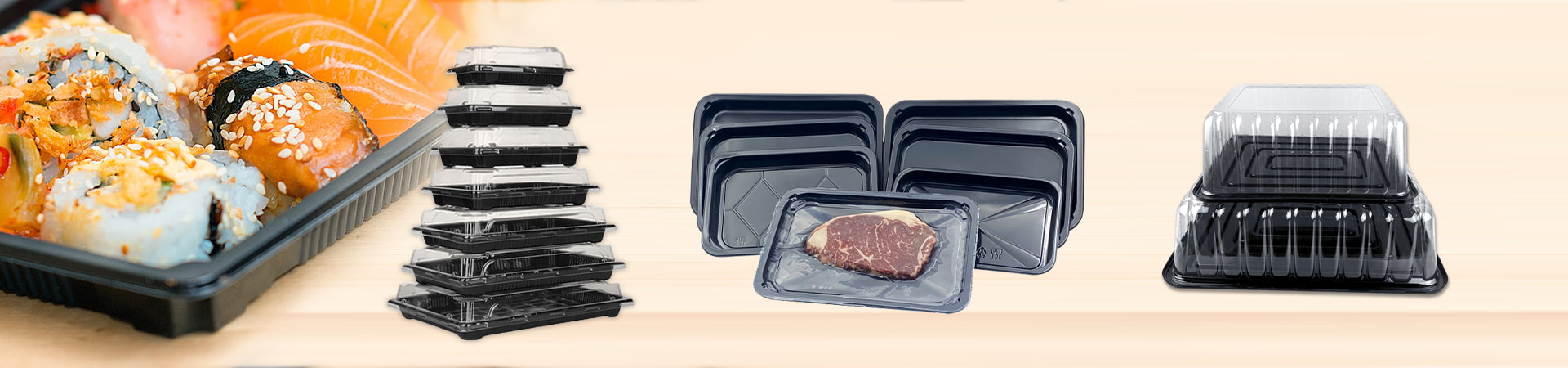
How Vacuum Skin Packaging Extends Shelf Life and Reduces Food Waste for Meat, Seafood, and Ready Meals
Fresh protein is the most expensive inventory in the store and the first thing marked down. Every day a pack of beef or salmon sits on the shelf past its prime, margin disappears twice: once as a discount sticker, once as waste. For processors and retailers alike, the question is no longer whether packaging can buy extra days, but how many — and at what cost per unit.
Vacuum skin packaging is the format answering that question most directly today. A heated top film is drawn down by vacuum until it conforms tightly around the product, eliminating the air pocket that drives oxidation and drip loss. Depending on the product and film, that typically adds several days of usable shelf life compared with simple overwrap — often the difference between a first markdown and a full-price sale.
This article explains where skin packaging earns its keep, where it does not, and the handful of questions worth asking a tray supplier before you commit to a format.
Shelf Life Is Now a Commercial Metric, Not a Lab Number
Three shifts have pushed shelf life from a technical specification to a business lever.
Case-ready retail programs: Retailers increasingly centralise cutting and packing instead of butchering in store. That removes the local flexibility that once absorbed short shelf life — a pack now has to survive central packing, distribution, and several days of display. Our overview of meat tray options covers how this changes format requirements.
Waste targets and markdown pressure: Food waste reduction is now a reporting item for major retailers, and every avoided markdown flows straight to the bottom line. Shelf life is one of the few levers that improves both simultaneously.
Longer distribution and e-commerce: Chilled delivery and cross-region shipping expose packs to more handling and more time. The video of a beautifully sealed steak arriving intact is now part of the brand experience.
What Vacuum Skin Packaging Actually Does
The mechanism is simple, and that is why it works so consistently.
No headspace air: Because the film conforms to the product surface, there is almost no oxygen reservoir left inside the pack. Less oxygen means slower oxidation of fats and pigments, and slower microbial growth.
The product cannot move: A product immobilised against a rigid tray cannot shift, rub, or puncture the film in transit. This is a protection benefit as much as a freshness one — and mechanically similar to the way disposable meat trays hold their contents in place.
Purge stays with the product: Exudate is pressed against the meat rather than pooling in a corner, so the pack looks clean on the shelf and the product stays moist where it matters.
Full visibility: High-clarity film gives an unobstructed view of the cut — the reason premium programs adopt it. The technical detail behind barrier film performance and oxygen transmission is covered in our article on vacuum packaging tray technology.
Skin Packaging vs. Modified Atmosphere Packaging
Both formats extend shelf life well beyond overwrap, and both remain valid choices. The difference shows up in product presentation, protection, and the end-of-life story.
| Consideration | Skin Packaging | MAP |
|---|---|---|
| Appearance | Film hugs the product; looks identical to the bare cut | Visible headspace; product sits inside a dome |
| Movement in transit | Fully immobilised | Can shift inside the pack |
| Odour containment | Eliminated with no headspace | Requires barrier film selection |
| Portion control | Excellent for single portions and marinated cuts | Better suited to larger multi-portion packs |
| Recyclability | Mono-material PP tray + film options available | Barrier laminates are harder to recycle |
| Line investment | Requires skin-forming/sealing equipment | Widely available gas-flush lines |
For a deeper decision framework on sealing strategies, our comparison of skin sealing versus MAP sealing walks through the trade-offs by product category.
Where Skin Packaging Wins — and Where It Doesn't
Strong fit: Premium beef and lamb cuts, portioned steaks, marinated and value-added proteins, fresh fish and shellfish, smoked and cured seafood, and chilled ready meals or meal components where texture separation matters. For ready meals specifically, heat-sealable vacuum skin meal trays combine the shelf-life benefit with microwave-ready convenience.
Weaker fit: Products with very irregular shapes and sharp bone ends may need specific film and tray combinations to avoid puncturing. Bulk multi-portion packs, dry goods, and produce that needs to breathe are better served by other formats. And if your volumes are low or your existing line is built around gas flushing, the conversion cost may not pay back quickly.
The pattern that keeps appearing in retail programs is worth noting: clear PET and PP formats are steadily replacing expanded polystyrene trays on recyclability grounds, and skin formats fit that migration well. Our guide to freshness and sustainability in vacuum packaging covers how that shift is playing out in practice.
The Compliance Angle: Design for Recyclability From the Start
Regulatory pressure on packaging is tightening in most major markets, and barrier laminates are among the first structures to come under scrutiny because they are difficult to recycle. Choosing a skin format is therefore also a choice about materials.
A mono-material PP tray paired with a compatible film keeps the pack in a single recycling stream, which simplifies both compliance and the story you tell customers. Where recycled content targets apply, PET and RPET options and mono-material polypropylene structures are the formats that can be documented today. For an overview of how materials perform across food applications, see our comparison of plastics for food trays.
Practically, the trays used in skin formats — such as black PP vacuum skin packaging trays or BPA-free food-grade vacuum trays for meat, seafood, and produce — should be specified with the film partner in mind. Tray and film are a system: the seal is only as good as the flange it seals to.
Five Questions to Ask a Skin Tray Supplier
1. Which films is this tray validated against? Skin packaging is a tray-plus-film system. A tray that seals reliably with one film may leak with another.
2. How flat and wide is the sealing flange — and what tolerance can you hold? Seal integrity depends almost entirely on flange consistency. Ask for the specification, not an assurance.
3. What is the material and is it mono-material? This determines recyclability today and which compliance grade the pack can reach over the coming years.
4. Can you supply samples with our actual product profile? Depth, weight, and moisture content of the product all affect how the film draws. Trial packs on your own product are the only meaningful test.
5. Do you support shelf-life and seal testing? Shelf-life claims should rest on data from your product, in your pack. Development and testing support and sample programs are the cheapest way to de-risk a format change.
Frequently Asked Questions
How much extra shelf life does vacuum skin packaging add?
Compared with simple overwrap, skin packaging typically adds several days of usable life for fresh meat and fish, with the exact figure depending on the product, the film barrier, and cold-chain discipline. The gain versus overwrap is consistent; the absolute number must be validated on your own product.
Is skin packaging suitable for frozen products?
Yes, and it performs well there because the film eliminates the air that causes freezer burn. Products destined for freezing — including vacuum food packaging trays used in frozen programs — benefit from the tight film seal throughout cold storage.
Does skin packaging work for ready meals?
It does, and it is one of the fastest-growing uses. Skin packs hold components in place, keep sauces separated, and can be formulated for microwave heating — a good fit for chilled prepared foods and meal kits.
Can skin packaging be recycled?
It can, when the tray is mono-material and the film is selected to be compatible with the same recycling stream. The obstacle in the category has always been multi-layer barrier films, so material selection is the decision that determines the end-of-life outcome.
What does a skin packaging tray cost compared with a standard tray?
Unit cost depends on material, size, and volume rather than the format itself. The more useful calculation is total cost per sale: extra days of shelf life typically reduce markdowns and waste by more than the packaging delta, especially on high-value proteins.
Buy Days, Not Just Packaging
When fresh product is the inventory, packaging is really a shelf-life instrument. Vacuum skin packaging earns its place by removing the headspace air that drives spoilage — and by presenting the product exactly as it looks when cut. On premium proteins, portioned cuts, seafood, and chilled ready meals, that combination of fewer wasted days and a better shelf presence is usually the whole business case.
Choose the format against your product and your line, choose the material against the recycling rules you will face, and validate both on real samples before committing to tooling. The specifics of how trays hold and protect product are covered in our guide to extending shelf life with vacuum packaging trays.
Jiasheng manufactures food-grade vacuum packaging trays and skin pack formats in PP and PET, with samples for evaluation and testing support for shelf-life and seal validation. Send us your product and target shelf life, and we will recommend a tray and film combination to match.
Extend Shelf Life on Your Fresh Products
Tell us what you pack, your target shelf life, and your market. We will propose a vacuum skin or vacuum tray solution with samples for testing.
Request Tray Samples