
Your Cart
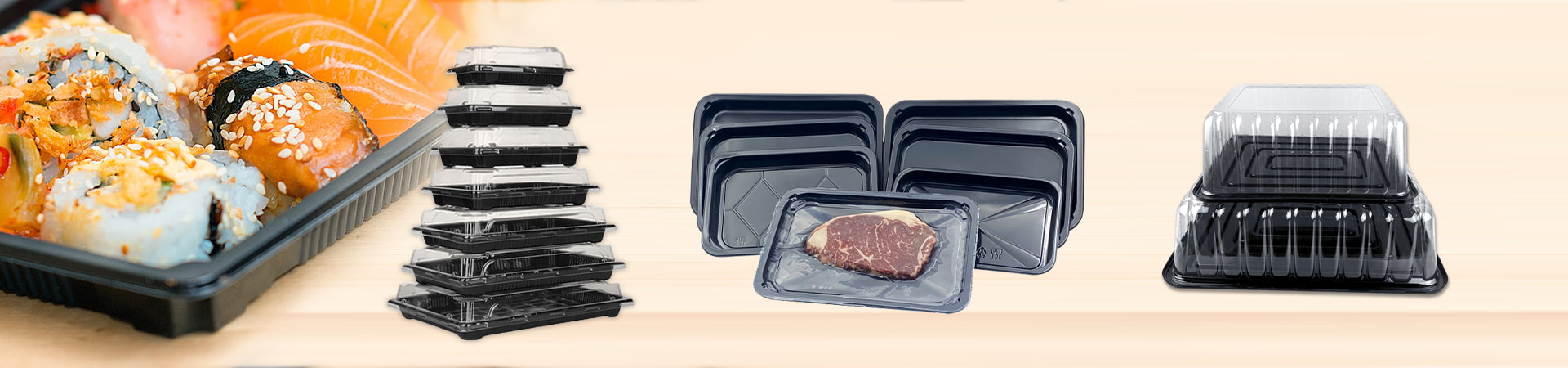
How to Choose the Right Plastic Food Tray for Different Food Applications
For food manufacturers, meal prep companies, and restaurant chains, choosing the right plastic food tray is not just about finding a container — it is about protecting product quality, maintaining food safety, and optimizing logistics costs. The wrong tray can lead to damaged products, increased waste, and dissatisfied customers. The right one, however, improves presentation, extends shelf life, and streamlines storage and transport.
Different food products have different packaging requirements. A sushi tray needs transparency and tight-fitting lids; a meat tray requires leak resistance and durability; a salad container demands ventilation and visual appeal. This guide walks through how to choose plastic food trays based on your specific food application, material requirements, and supplier capabilities.
Why Plastic Food Trays Are Widely Used in Food Packaging
Plastic food trays have become the standard in food packaging across supermarkets, restaurants, and food service operations. Their widespread adoption is driven by several practical advantages that directly benefit food businesses.
Product Protection
A well-designed disposable food tray protects food from physical damage during handling, transport, and display. Rigid plastic trays prevent crushing and deformation, keeping products intact from the production line to the consumer's table. For delicate items like pastries, fresh berries, and prepared sushi, this protection is essential to maintaining product integrity.
Food Presentation and Retail Display
Clear plastic trays — particularly those made from PET — allow consumers to see the product before purchasing. This transparency builds trust and encourages impulse buying in retail environments. A clean, well-structured tray with a transparent lid makes food look more appetizing and professional, which directly supports higher sales conversion at the point of purchase.
Hygienic and Safe Packaging
Food-grade plastic trays provide a sanitary barrier between the food and the external environment. Unlike some alternative materials, plastic trays do not absorb moisture, resist contamination, and can be sealed to prevent tampering. For plastic food trays used in direct food contact, manufacturers must use materials that comply with food safety regulations in the target market.
Efficient Transportation and Storage
Plastic trays are lightweight yet durable, reducing shipping weight compared to glass or heavy-duty alternatives. Stackable designs allow efficient use of pallet and shelf space, while standardized dimensions simplify automated filling and packing lines. For food distributors managing high-volume logistics, these efficiency gains translate directly into lower operational costs.
Choosing the Right Plastic Food Tray by Food Type
Different food categories demand different tray characteristics. Understanding the relationship between food type and tray design is the most important step in making the right purchase decision.
Fresh Produce
Fruits and vegetables require packaging that balances visibility with ventilation. Fresh produce continues to respire after harvest, so trapped moisture can accelerate spoilage. Look for trays with vented lids or perforated designs that allow air circulation while still protecting the product. Fruit and vegetable packaging trays should also be stackable without crushing the contents — a structural consideration that affects both material choice and ribbing design. Clear PET is the most common material because it showcases the vibrant colors and freshness that drive produce sales.
Ready-to-Eat Meals
Prepared meals and meal-prep containers require careful compartment design. Multi-compartment trays keep different food items separated — preventing sauces from mixing with dry components and maintaining portion control. For microwaveable meals, PP trays are preferred due to their heat resistance. Leak-resistant sealing is essential to prevent spills during transport, especially for meals with liquid content like curries or gravies. A well-designed thermoformed food tray for ready-to-eat applications should also consider denesting performance for automated filling lines.
Sushi
Sushi packaging places a premium on presentation. The visual appeal of sushi — with its colorful ingredients and careful arrangement — is a key selling point, so transparency is non-negotiable. Sushi food trays typically use clear PET with fitted transparent lids that secure the contents without obscuring the view. Compartmentalized designs separate different roll types or keep wasabi and ginger in designated sections. For takeaway and delivery, a tight-fitting lid is critical to prevent shifting during transport, which can ruin the careful presentation that sushi restaurants work hard to achieve.
Bakery Products
Baked goods — from cakes to pastries — need packaging that protects delicate surfaces and decorations. Domed lids provide the overhead clearance needed for frosted cakes, cupcakes, and decorated desserts. Cake trays and bakery packaging often use a two-piece design: a rigid base tray and a clear dome lid that locks securely in place. The base tray should have enough depth to hold the product without smearing frosting, while the dome should be tall enough to avoid contact with decorative toppings. For retail bakeries, the clarity of the packaging directly influences how appetizing the product looks on display.
Salads
Fresh salad packaging needs to showcase the ingredients while maintaining freshness. Clear, bowl-shaped trays allow consumers to see the variety and quality of greens, toppings, and dressings. Salad packaging solutions should include a secure lid — either a snap-on or heat-seal design — that prevents leakage of dressing during transport. Moisture management is particularly important: excess condensation inside the tray can make greens soggy. Some salad tray designs incorporate absorbent pads or vented sections to help control humidity without drying out the contents.
How to Select the Right Material for Plastic Food Trays
Material choice affects everything from product visibility to heat tolerance. Here are the two most common materials for food packaging trays and when to choose each.
PET (Polyethylene Terephthalate)
PET is the go-to material for cold food applications where visual presentation matters. It offers excellent transparency — consumers can clearly see the product inside — and good rigidity for stackable packaging designs. PET trays are commonly used for sushi, salads, fresh fruit, cold prepared meals, and bakery display packaging. Because PET performs best at ambient and chilled temperatures, it is ideal for refrigerated retail displays and cold chain distribution. Its recyclability is an added benefit for markets with established PET recycling infrastructure.
PP (Polypropylene)
PP offers higher heat resistance than PET, making it the preferred choice for applications involving microwave reheating, hot-fill processes, or exposure to warm environments. PP trays are more opaque than PET — typically translucent or solid-colored — and provide good durability for heavier food items. Common applications include microwaveable meal trays, hot food takeaway containers, and durable food transport trays. PP also offers good chemical resistance, which is beneficial for foods with acidic or oily content that might interact with other materials.
The right material depends on three key factors: the food type you are packaging, the storage and transport conditions the packaging will experience, and the end-use scenario — whether the consumer will eat directly from the tray, reheat it, or simply display it. A knowledgeable supplier should help you evaluate these factors during the design consultation.
Key Design Features to Consider
Beyond material selection, several design features determine whether a food tray performs well in real-world use. Addressing these factors during the design phase prevents costly problems after production begins.
Tray Depth: The depth of the tray must accommodate the height of the food product with enough clearance for the lid. For bakery items with frosting or toppings, err on the deeper side. For flat items like sliced meats or cheese, a shallow tray reduces material usage and cost.
Lid Fit: The seal between the tray and lid is critical for freshness, leak prevention, and tamper evidence. Whether using snap-on lids, heat-seal film, or hinged clamshell designs, the closure must be reliable across the entire production run — not just on sample units.
Compartments: Multi-compartment trays separate different food items within a single package. Compartment walls should be tall enough to prevent mixing, and the bottom of each compartment should have sufficient surface area for the portion it needs to hold. Well-designed dividers also provide structural reinforcement to the overall tray.
Stackability: Trays that nest or stack securely reduce storage space requirements and improve pallet utilization. Interlocking designs prevent trays from shifting during transport, while denesting lugs allow automated equipment to separate trays reliably on high-speed filling lines.
Transportation Safety: The tray must withstand the physical stresses of shipping — vibration, stacking pressure, and temperature fluctuations. Ribbed or reinforced base designs add structural strength without significantly increasing material weight. For export shipments, trays should be tested under simulated transport conditions to verify they meet the handling requirements of the target distribution network.
Benefits of Custom Plastic Food Trays
While standard-sized trays are available off the shelf, many food businesses are moving toward custom plastic food tray solutions. The initial investment in custom tooling typically pays for itself through material savings, improved logistics, and stronger brand presentation.
Better Product Fit: Custom trays are designed around your specific product dimensions, eliminating excess empty space that wastes material and allows products to shift during transport. A snug fit means better protection and a more professional appearance on the shelf.
Reduced Material Waste: When trays are sized precisely for the product, less plastic is used per unit. Over large production volumes, this material reduction translates into significant cost savings — often enough to offset the mold development investment within the first few production runs.
Improved Brand Presentation: Custom plastic packaging solutions give food brands a consistent, recognizable look that differentiates their products on crowded retail shelves. The tray becomes part of the brand experience, communicating quality and attention to detail before the consumer even opens the package.
Jiasheng's custom packaging capability covers the full development cycle — from initial design consultation and CAD modeling to mold fabrication, prototype testing, and mass production. By keeping mold development in-house, we reduce lead times and ensure that design intent is faithfully translated into the finished tray.
How to Evaluate a Plastic Food Tray Manufacturer
Finding the right food tray manufacturer involves more than comparing price sheets. Here are the criteria that matter most for long-term supply reliability.
Manufacturing Experience
Look for demonstrated experience with food-grade packaging specifically — not just general plastic manufacturing. A supplier that understands food safety regulations, material migration limits, and hygiene requirements will help you avoid compliance issues in your target markets. Ask about the types of food products they have packaged before and request case studies or references from similar applications.
Material Quality and Food Safety
Food packaging materials must meet regulatory standards for direct food contact. Verify that the manufacturer uses certified food-grade raw materials and can provide documentation for material traceability. For export markets, confirm that materials comply with relevant regulations — such as FDA standards for the US market or EU framework regulations for European distribution.
Thermoforming Capability
A capable manufacturer should offer in-house thermoforming production with the ability to handle different material types and thicknesses. This includes both vacuum forming for standard plastic food packaging trays and pressure forming for higher-detail applications. The production line should include material mixing, sheet extrusion, forming, and trimming — all under one roof for better quality control.
Quality Inspection and Export Experience
Inspect the manufacturer's quality control process: incoming material checks, in-process monitoring, and final inspection protocols. For international buyers, export experience is equally important — the manufacturer should understand export packaging standards, documentation requirements, and logistics coordination. A supplier with established export workflows reduces the risk of delays, damaged shipments, and customs clearance issues.
Frequently Asked Questions
Q: What material is best for plastic food trays?
The best material depends on the food application. PET is ideal for cold foods requiring transparency, such as sushi, salads, and fresh produce. PP is better suited for hot foods, microwaveable meals, and applications requiring higher heat resistance. A professional supplier can recommend the optimal material based on your specific product and distribution requirements.
Q: Can food trays be customized?
Yes. Custom food trays can be designed to match your exact product dimensions, with options for compartment layout, tray depth, lid style, and material thickness. Custom mold development allows you to create packaging that perfectly fits your product rather than adapting your product to a standard tray size. Most professional manufacturers offer design consultation and prototyping as part of their custom service.
Q: Are plastic food trays suitable for both cold and hot foods?
Different materials handle different temperature ranges. PET trays work well for chilled and ambient-temperature foods but are not designed for microwave or hot-fill applications. PP trays can withstand higher temperatures and are suitable for microwave reheating and hot food packaging. Using the right material for the temperature conditions your packaging will experience is essential for both food safety and packaging performance.
Q: What should I consider before ordering food trays in bulk?
Before placing bulk orders, confirm the tray design through prototype testing, verify material compliance with target market regulations, assess the manufacturer's production capacity and lead times, and review their quality control documentation. Also consider logistics — how the trays will be packed, palletized, and shipped — since packaging that arrives damaged adds hidden costs to the per-unit price.
Conclusion
Choosing the right plastic food tray requires looking beyond unit price — the material, design, and manufacturing quality all directly affect product protection, brand presentation, and total supply chain cost. Different food types demand different tray characteristics, and what works for sushi packaging does not necessarily work for fresh produce or hot prepared meals.
When evaluating suppliers, prioritize manufacturers with proven food packaging experience, in-house thermoforming capability, and a track record of reliable export delivery. A partner that offers design support and custom mold development can help you create packaging that fits your products precisely — improving protection, reducing waste, and strengthening your brand on the retail shelf.
Jiasheng provides customized thermoformed plastic food trays for a wide range of food applications — from fresh produce and sushi to bakery items and prepared meals. With end-to-end support covering design, mold development, production, and export logistics, we help food brands and packaging distributors bring reliable, high-quality packaging solutions to market.
Contact Jiasheng to Customize Plastic Food Trays for Your Products
Whether you need standard food trays or fully customized packaging for a specific product line, our team can help you design, prototype, and manufacture trays that meet your exact requirements. From material selection to final delivery, we provide consistent quality you can count on.